
Water Reports
This series focuses on how mayors, cities, and water utilities can improve their public water systems, ranging from financing necessary infrastructure investments, ways to protect water a public resource, and how to implement affordability programs for city residents.
View reports on all topics here.
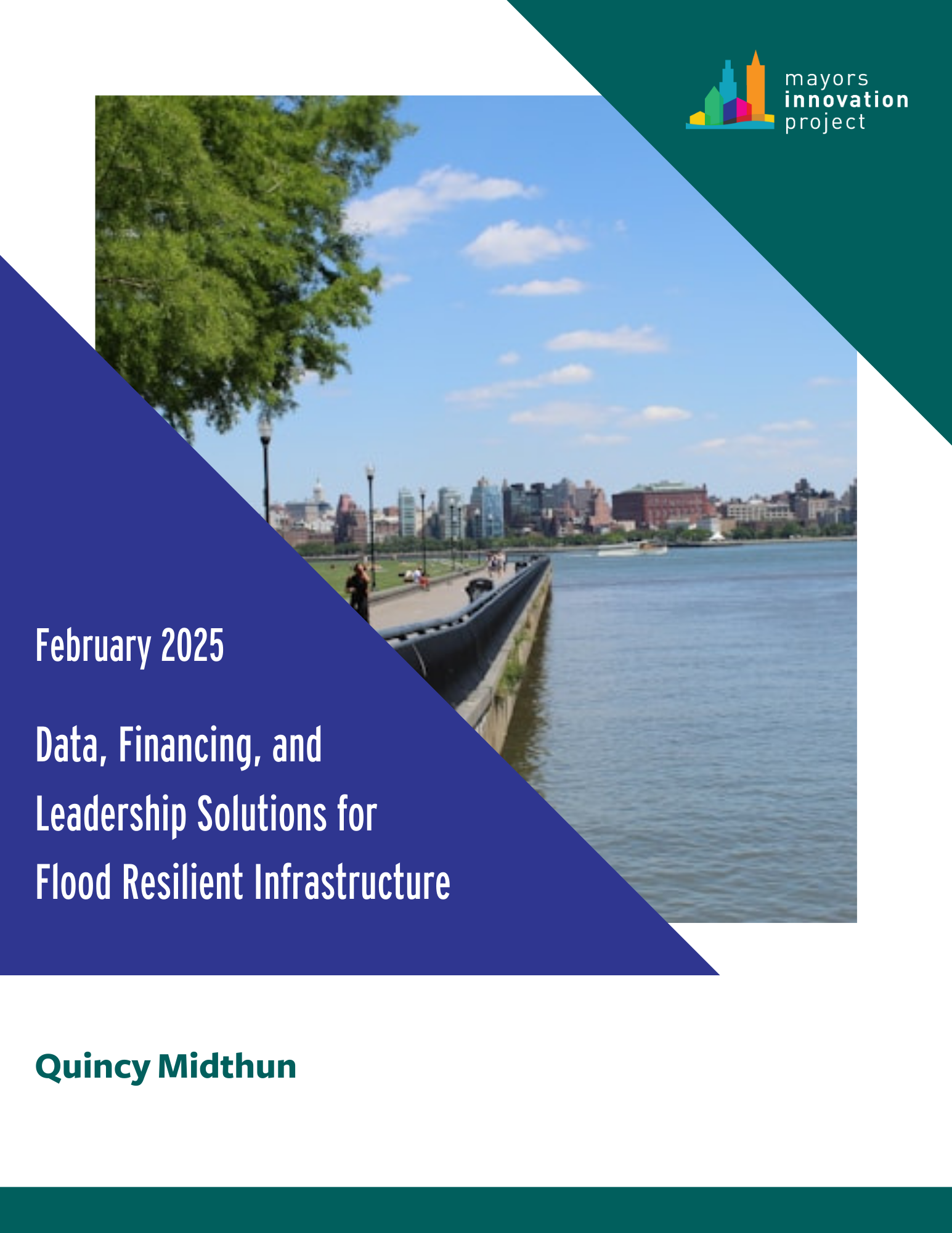
Data, Financing, and Leadership Solutions for Flood Resilient Infrastructure
Data, Financing, and Leadership Solutions for Flood Resilient Infrastructure.
Climate change continues to pose unprecedented challenges for cities, and the 2024 hurricane season reminded us that flood resilient infrastructure is critical—and increasingly complicated to fund, implement, and manage. This article is a summary of the data, financing, and leadership tools that mayors need to plan for and implement projects to help their cities withstand and recover quickly from floods.
The State of Water Affordability
The State of Water Affordability.
This brief is part of a series of publications MIP has released that was originally researched and compiled as a technical assistance memo to a participating member city. This memo was written in 2021 in response to a specific research question submitted by that member city.
Setting the Agenda: A Mayor’s Guide to Water Affordability
Setting the Agenda: A Mayor’S Guide to Water Affordability.
Aging water infrastructure systems, climate change, and the general rising cost of urban living mean that access to clean and affordable water is becoming a greater challenge. Cities and water utilities are increasingly faced with a major financial dilemma: increase rates to update infrastructure and price out ratepayers, or keep rates static at the expense of aging and failing infrastructure. At the fulcrum of this choice sits those most vulnerable to increases in rates: low-to-moderate income households, which are disproportionately made up of women and/or people of color.
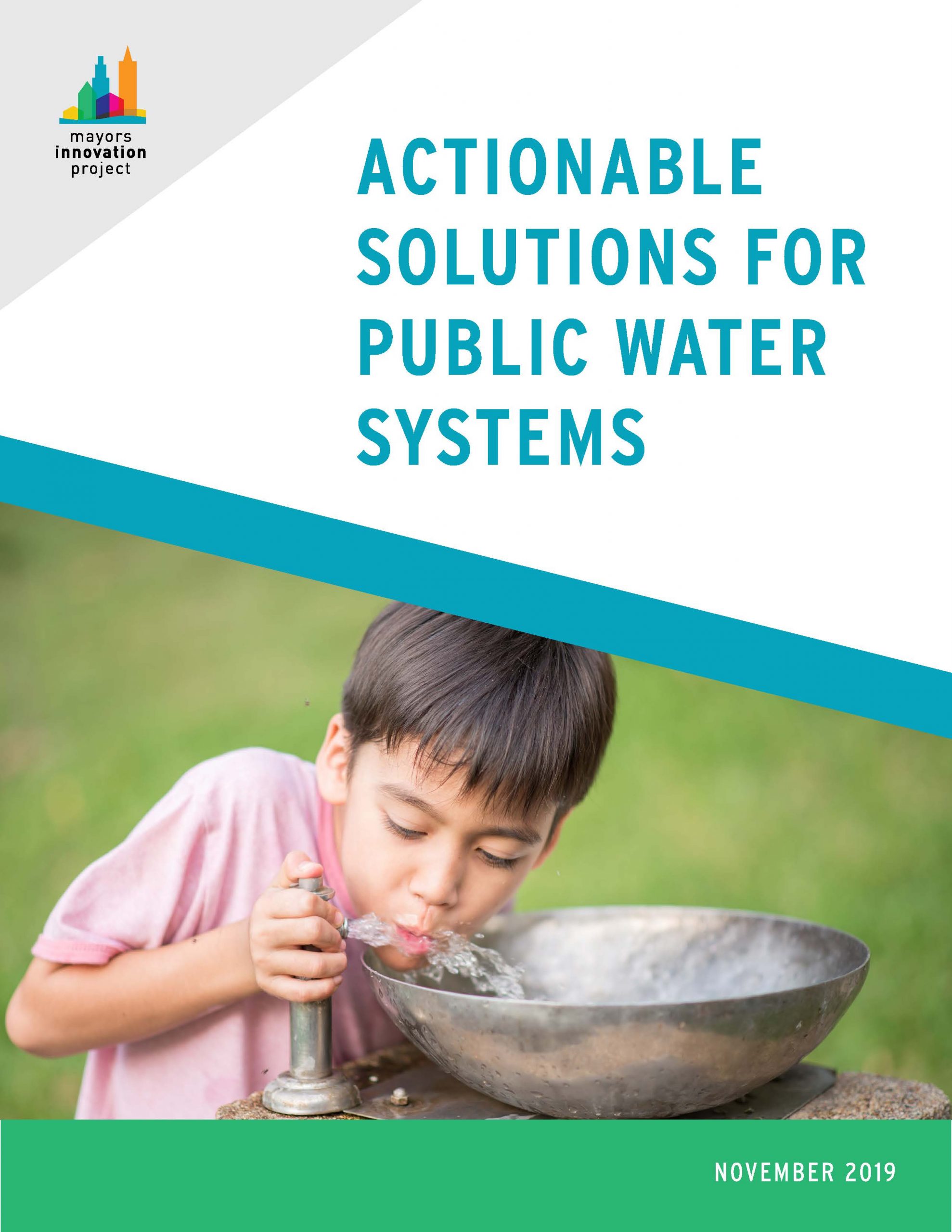
Actionable Solutions for Public Water Systems
Actionable Solutions for Public Water Systems.
From climate change to outdated infrastructure to lack of federal support, city leaders face more pressure than ever to provide affordable and safe water to residents. Mayors and city leaders need the resources to plan for and improve and maintain public water systems. This report outlines concrete actions a city can take to keep control of its water systems and provides a background to understanding the complexity of public water systems and their current challenges. The solutions for managing robust public systems include topics such as: integrating management approaches for water with other goals; engaging the public in conversations about this valuable resource; promoting affordability of water services; among many more.
Basic Water Utility Management
Basic Water Utility Management.
Access to safe and affordable drinking water is a human right, and it is the duty of the water utility to ensure that this right is protected and upheld. Understanding the different ways water intersects with your city is critical. Basic Water Utility Management provides local leaders with a foundation for understanding their local water systems, including: understanding what a successful water system looks like; getting up to speed on government compliance; identifying infrastructure and maintenance needs; and engaging with community members around water resources.
Paying for Water Systems
Even as the scale of needed investment grows, utilities can develop rate structures, impact fees, and new products or services that generate needed revenue fairly. This report is a primer on getting started with financing water systems, including: assessing where the largest costs are incurred and where borrowing is most extensive; understanding your city’s specific water utility structure and financial status; building a relationship with your water utility manager/CEO(s); and reaching out to and growing relationships with community leaders across a range of neighborhoods and interests, and asking questions about needs and water affordability.
Integrated Water Management: A Guide for City Leaders
Integrated Water Management: A Guide for City Leaders.
Integrated water management (IWM) offers a framework for managing all water within cities as a resource, reducing waste while capturing value, and seeking to integrate water into other city planning. The benefits of IWM include better resource management, development opportunities, and creative funding to improved recreational areas. This report provides an overview of the potential for IWM in cities from the big-picture framework down to examples of tools used by cities on the ground. IWM includes tools like protection of natural lands near waterways, capture of rain as a resource, an end to “waste” water, and planning for climate resilience.