
Event: Cities of Care
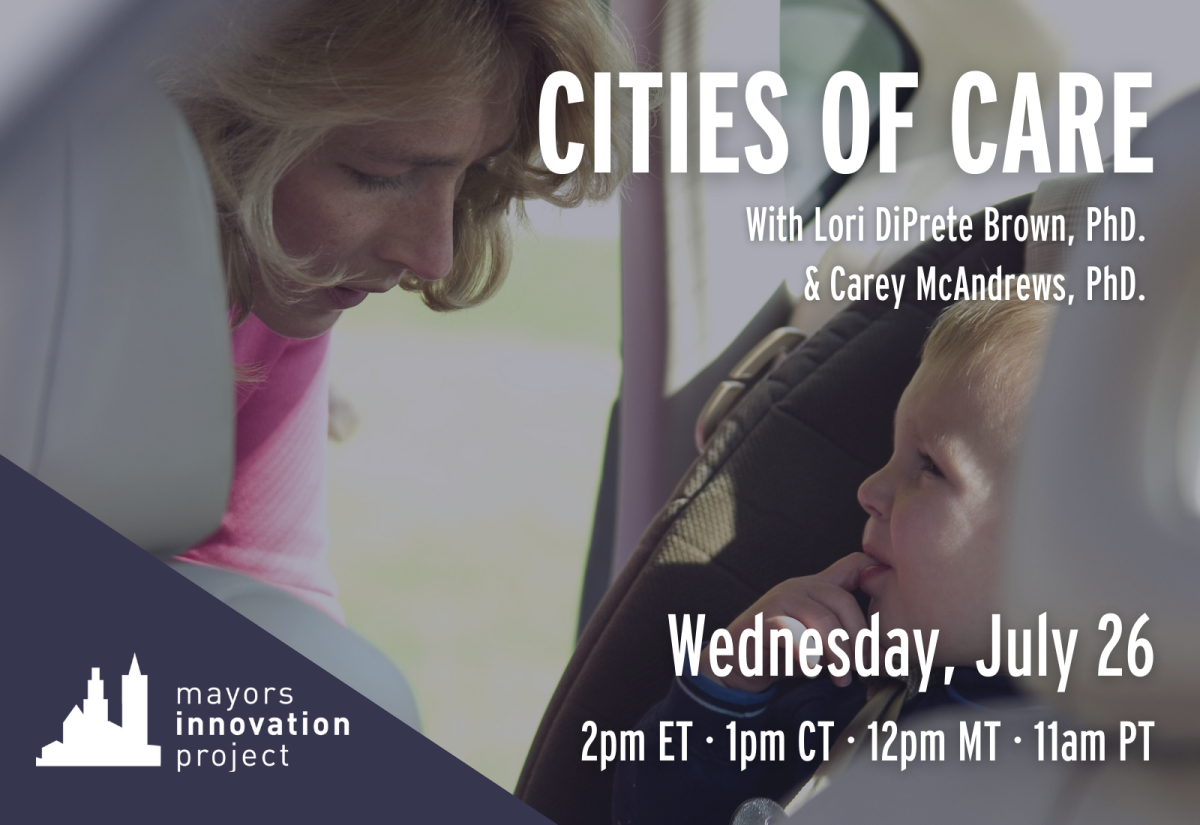
Cities of Care
Wednesday, July 26th, 2023
2pm ET/1pm CT/12pm MT/11am PT
Throughout the world gender-informed planning is proving to be a useful approach to advancing equity and optimizing performance of city systems. This session will explore implications for transportation systems in small and mid-size towns in the US, where these innovations are less commonly practiced. We will describe gender-based transportation challenges such as safety, access to work at non-peak hours, and needs associated with caring for children and elders. We will review core principles associated with the Mobility of Care Moment, which can make current patterns in care work easier and make task-shifting for equity more feasible. The session will include real-world examples from the US and Canada. Participants will ideate about what gender equal transportation looks like in their own communities, and will come away with possible action steps for their own setting.
Our session speakers:
Lori DiPrete Brown, PhD., Director of Global Health and Human Ecology, University of Wisconsin–Madison School of Human Ecology

Lori DiPrete Brown is the Director of 4W Women and Wellbeing Initiative at the University of Wisconsin – Madison, and also serves as co-chair of UW’S UniverCity Alliance. A distinguished teaching faculty in the School of Human Ecology, she focuses her teaching and scholarship on the health and wellbeing of women and children in highly vulnerable situations around the world.
Carey McAndrews, PhD., Professor of Planning and Landscape Architecture, University of Wisconsin–Madison

Carolyn (Carey) McAndrews is a professor in the Department of Planning and Landscape Architecture at the University of Wisconsin–Madison. Her fields of research are transportation planning, policy, and design.
Her research seeks to understand how emerging health, safety, and environmental goals become part of mainstream transportation decision making. Equity is central to these goals, and her research analyzes the distribution of transportation’s health impacts, as well as how people organize to influence transportation decision making.