
Mayors Champion Safer Streets for Pedestrian Safety Month
By Quincy Midthun, Mayors Innovation Project
While traffic fatalities remain a national crisis—with 39,252 people killed on U.S. roadways, including 7,080 pedestrians, in 2024—the everyday safety residents experience happens at the local level. Through planning, zoning, engineering, and infrastructure projects, mayors and senior staff direct many decisions and processes that shape street safety.
In 2025, the Mayors Innovation Project, in partnership with Smart Growth America and AARP Livable Communities, hosted its third cohort of the Mayors Institute on Pedestrian Safety (MIPS). MIPS provides mayors with opportunities to learn from topic experts and their peers on how to make safer streets for all, especially their most vulnerable neighbors. In recognition of Pedestrian Safety Month, we’re celebrating the work of MIPS alumni and offering a long list of ideas for you to adapt and implement, including new infrastructure projects, funding awards, and pedestrian safety plans.
Alameda, CA (2025 MIPS Alumni):
The City’s $15 million, 1.7 mile Central Avenue Safety Project celebrated its ribbon cutting in Sept. 2026. The project, designed to improve safety for all road users along a high-injury corridor, includes a road diet, bikeways, roundabouts, improved bus stops and pedestrian crossings, new green infrastructure installments, and more.
Allentown, PA (2024 MIPS Alumni):
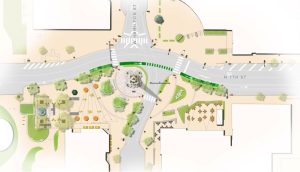
In 2025, Allentown, PA was awarded $1.5 million for projects that will make biking, walking, and driving across the city safer and more accessible. Projects include lighting upgrades, improved traffic controls, and cross walk improvements. The City also broke ground on their Center Square Redesign Project which will make improvements to an intersection and create more public space for residents and visitors.
Boise, ID (2025 MIPS Alumni):
In 2026, Boise secured $1M in Safe Streets and Roads for All funding for a traffic study and pilot responses along its highest industry corridor. This success is a culmination of years of work dedicated to funding and implementing street safety measures, including implementation of a Fatal Crash Review Task Force beginning in 2023, which reviews fatal and serious crashes to identify trends at the system-level and to collaborate on solutions across enforcement, education, and engineering.
Culver City, CA (2024 MIPS Alumni):
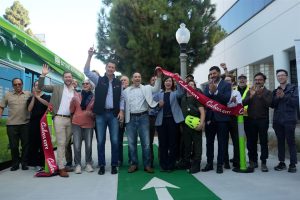
In October 2025, Culver City completed the Robertson Bus and Bike Lane Project which added protected bike lanes, expanded sidewalks, and stormwater upgrades to a corridor near a transit hub. These improvements will make traveling safer for people walking and biking and help to support a more connected city.
Everett, WA (2025 MIPS Alumni):
In September of 2025, Everett announced a first draft of its Vision Zero plan. The plan serves as a guide to city leaders and staff as they work towards their goal of eliminating fatal and serious injury crashes on Everett roads by 2050. The plan prioritizes the safety of pedestrians and focuses on safer road design, lower speed limits, safer road infrastructure and improved post-crash care.
Jackson, TN (2024 MIPS Alumni):
In November 2025, Jackson published its first draft Safety Action Plan. The plan explores ways to reduce injuries and fatal crashes on the city’s streets. A key component of the plan is designing safer roads to reduce the likelihood and severity of crashes.
Kansas City, MO (2024 MIPS Alumni):
In November 2025, Kansas City passed Mayor Quinton Lucas’s traffic safety ordinance prohibiting right turns on red when school zone speed limits are in effect. Allowing right turns on red lights forces drivers into crosswalks and makes streets more dangerous for people walking and biking. This ordinance is one of several changes Kansas City is making to make streets safer for pedestrians; other efforts include adding and widening sidewalks and improving bike infrastructure.
Knoxville, TN (2023 MIPS Alumni):
Knoxville has made many street improvements since Mayor Indya Kincannon’s participation in the 2023 MIPS cohort. Of note, the city has installed “centerline hardening” and rubber curbing at a busy crosswalk to force cars to make slower turns. Additionally, the City is planning for major improvements, including a separated bike and pedestrian path, in the Southern part of the City which has seen lots of growth in recent years.
Lansing, MI (2025 MIPS Alumni):
Last summer, Lansing broke ground on pedestrian refuge islands at a busy intersection. Pedestrian refuge islands are raised curbs that allow pedestrians a safe place to pause as they cross the street. The intersection Lansing is targeting was the site of 12 crashes involving pedestrians over the course of just four years.
Lima, OH (2025 MIPS Alumni):
During the Summer of 2025, the City of Lima, OH installed new accessible pedestrian signals to make crosswalks more accessible for visually impaired people. The new signals use an audible tone to let pedestrians know whether it is safe to cross the street or when to wait.
Madison (2023 MIPS Alumni):
Madison, WI has been testing and implementing a range of projects aimed at making all types of travel—driving, walking, biking, and transit—safer and more accessible. In the fall of 2025, the city broke ground on improvements to John Nolen Drive, including expanded bike and pedestrian paths and traffic signal and lighting upgrades. The City also worked with a local artist to create street murals and reduced speed limits in residential areas to 20 miles per hour. For a full list of Madison’s pedestrian safety projects, check out their website.
Milwaukee (2023 MIPS Alumni):
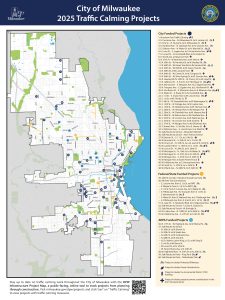
The City of Milwaukee undertook over 50 pedestrian safety improvement projects in 2025, including protected bike lanes (for example the city’s first bioswale-protected bike lane), raised crosswalks near schools and parks, curb extensions, and roundabouts. The city’s efforts are paying off. Data from 2024 showed substantial decreases in the speed of vehicles. The city also hosted – and Mayor Johnson spoke at – its first Vision Zero Summit in 2026 to highlight successes and bring people together on the plan. More on their site.
Salem, MA (2024 MIPS Alumni):
Using crash data, the City of Salem identified 17 crosswalks across the city that were in need of lighting upgrades. Learn more about how Salem prioritizes pedestrian safety investments using data from their Traffic Calming Priority Tool in our Member City Spotlight.
Williamsport, PA (2025 MIPS Alumni):
Williamsport made numerous improvements to its streets in 2025, adding crosswalks and infrastructure to make biking safer on busy streets and to connect key community parks and other assets. The City also received grant money that will allow it to draft a comprehensive road safety plan. The City is planning to work closely with the schools as well as Lycoming College to identify intersections that need improvements.
To learn more about the Mayor Institute on Pedestrian Safety, please visit our website
Hear directly from Mayors about what the MIPS program means to them